
Termite Control Melbourne and Victoria
Termite Control measures are essential for all homeowners to protect their home from termites – a termite attack can be a very emotional and expensive experience!
Termites VIC (formerly Fumapest) provide a full range of termite services across Melbourne and Eastern Victoria (Gippsland):
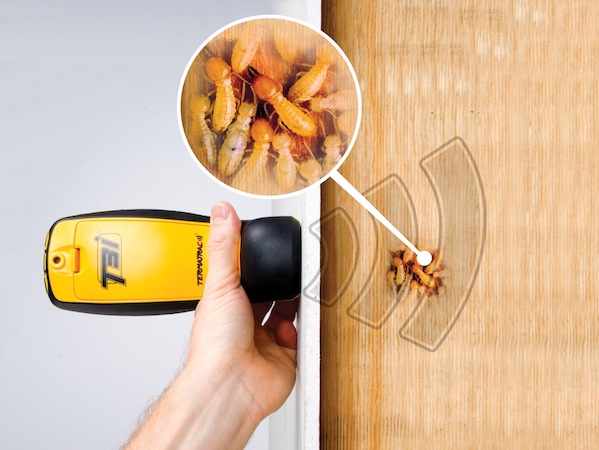
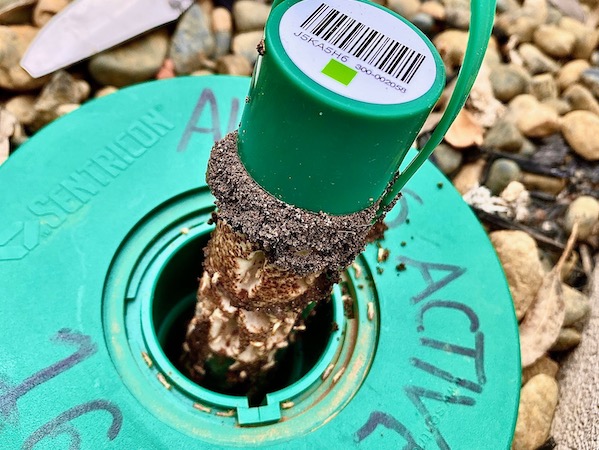
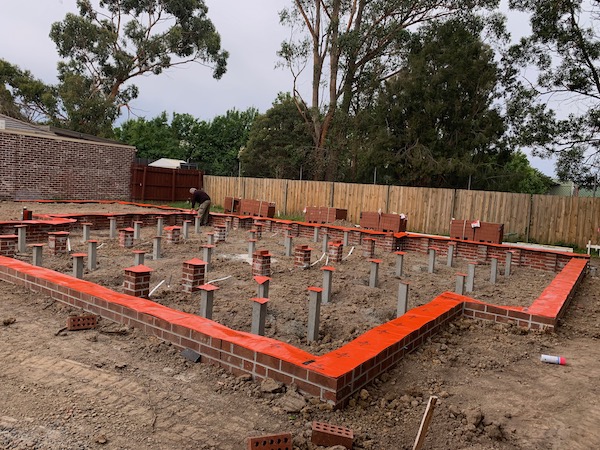

Important termite facts for homeowners?
- Termite damage is not covered by standard home insurance policies
- Yet, the chances of your home coming under termite attack is higher than suffering a house fire, flood or other natural disaster, combined!
- CSIRO estimate that 1 in 5 homes will suffer a termite attack
- In Australia, it’s estimated that 80% of homes are within 25m of a termite nest
- Bottom line: A termite management plan is essential to protect your property from termite attack
In Melbourne, there is the strange procedure whereby councils can designate certain areas as “termite declared”, which means that anyone building a home needs to install termite protection. The fact that one suburb and be termite declared and a neighbouring suburb is not, is clearly nonsense. Termites can’t read or know what suburb they are in – termites are all across Melbourne and Victoria. The level of threat may vary across Victoria, but the threat of termite attack is very real for all homeowners.
How to protect your home from termites?
For existing homes, there are four key elements to a successful termite management plan:
- Make conditions around the property less attractive to termites
- Improve drainage / reduce moisture
- Remove potential food sources
- Make sure there are no concealed termite entry points
- Have a professional termite inspection at least once a year
- Install a termite management system to provide long lasting termite protection for your home
- Termite chemical soil treatments
- Termite baiting systems
If you are building a new home or carrying out renovations, termite protection measures need to be installed during construction.
Termites Melbourne and Victoria
What are termites?
Termites and “white ants” are the same thing. Some people use the term “white ants” as they look superficially like pale coloured ants. However, if you look at them carefully, they are quite different to ants – ants have a hard cuticle, are darker in colour, have an obvious waist, have bent antennae and have eyes (worker termites are blind). So, termites aren’t ants at all… in fact they are more closely related to cockroaches! More details on what do termites look like…
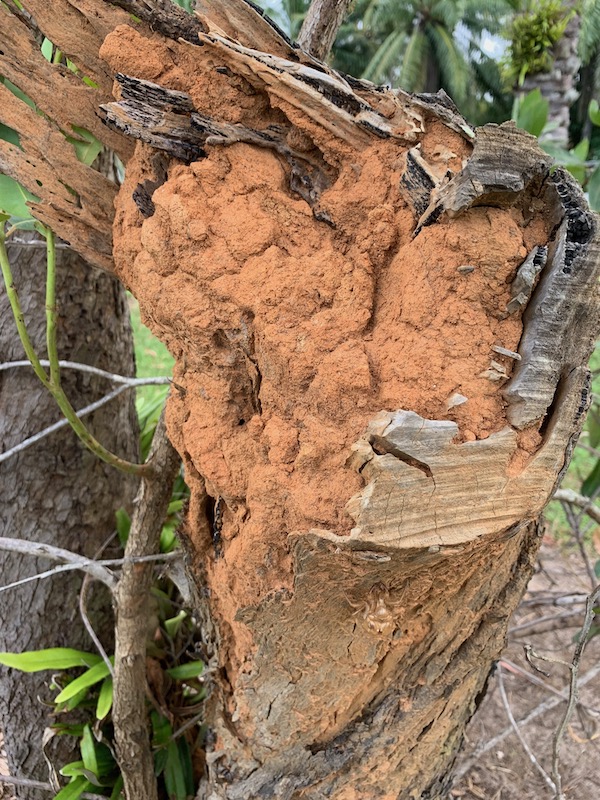
Most of the pest termites in Australian are subterranean termites, which means they spend most of their time underground. Often their nests are underground or in tree trunks / at the base of trees, making them very difficult to find. Some species will build obvious mounds on the ground and others will build nests up in the branches of trees (arboreal nests).
Flying termites or alates are the new kings and queens which leave the nest in large numbers to mate and start a new nest. These termite swarms appear on warm, humid nights in spring and summer. If you spot flying termites around your property or lots of wings on the ground (they lose their wings when they land), it means there is a large termite nest nearby and you should get your home inspected immediately.
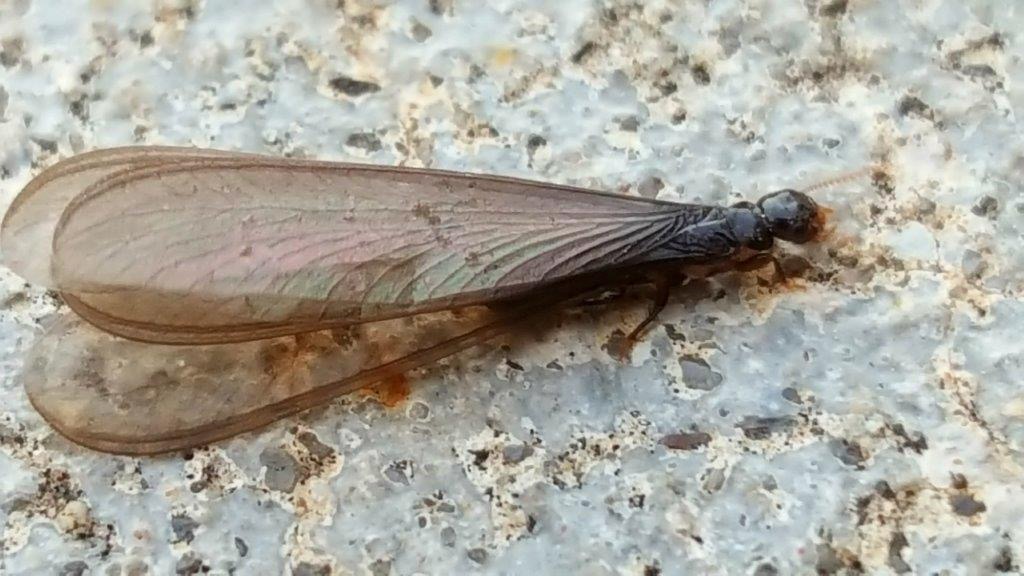
The termite queen is the most important termite in the colony as she lays all the eggs. To kill the colony, it is important to kill the queen. Some nests will have more than one queen, or supplemental reproductives. All the queens will need to be killed to ensure the colony is eliminated.
Termite workers are the ones that do all the damage. The foraging termites leave the nest and eat wood and other cellulose material, taking it back to the nest to share with other termites. Some workers remain in the nest to look after the queen and brood.
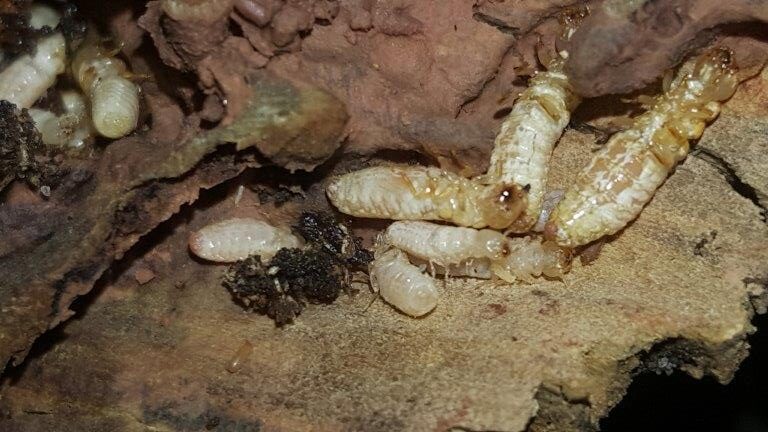
Termite soldiers protect the colony from predators. The soldiers have modified, armoured heads to help provide defence. As the workers of the various species look quite similar, the soldier termites are very useful in helping termite inspectors with species identification.
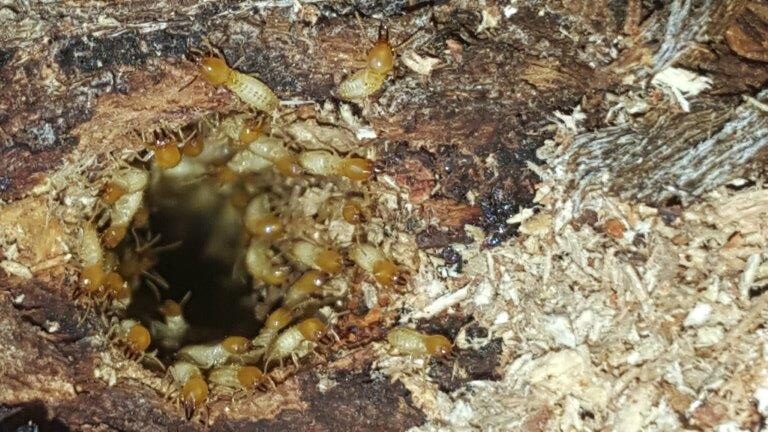
Termite species in Melbourne / Victoria
Subterranean termites cause the vast majority of damage in Australia and the main pest species of termite in Melbourne and Victoria are Coptotermes acinaciformis and Coptotermes frenchi. Both species can build large nests of up to 1 million individuals, but they have very different foraging behaviours which impacts control options – C. acinaciformis send large number of termites to a few food sources, whereas C. frenchi tend to be more fussy with their food and can easily be disturbed.
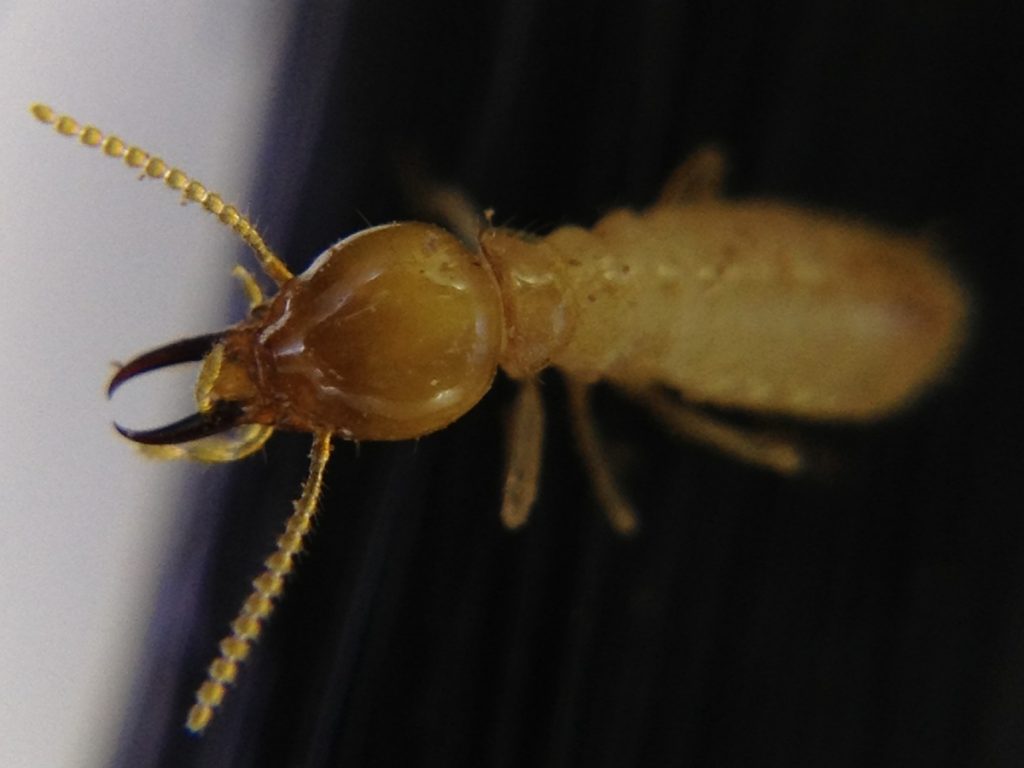
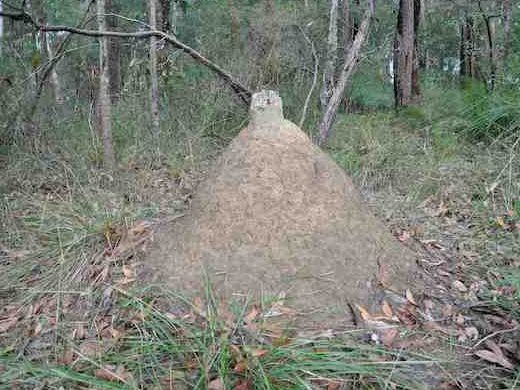
Nasutitermes termites can sometimes be a problem, and occasionally Heterotermes and Schedorhinotermes termites.
There are also drywood and dampwood termites in Melbourne & Victoria, but these rarely cause much damage.
Termite FAQ
As most people will know, termites eat wood. However, it is actually the cellulose material in wood they are after, which means they are also happy to eat cardboard and paper. They will chew through other materials to get to their food.
Mud tubes
Mud shelter tubes are the structures termites build when their come above ground to protect themselves from predators and prevent them from drying out. This may be visible on trees, fences, up the sides of buildings and in the sub-floor. Sometimes sheets of mud will cover feeding sites.
Termite damage
Some termite damage will be obvious – if the wood crumbles or a structure collapses. However, spongy floors, ill-fitting doors and windows, and subtle ripples on walls and paintwork may all indicated termites are up to no good!
Termite wings
Waking up in the morning to find piles of termite wings on the floor means there has been a termite flight overnight. The nest might not be on your property, but it will be nearby. Either way, a termite inspection is essential.
Chewing sounds
It is a bit disconcerting, but at night it is possible to hear the chewing of worker termites or the “head-banging” of soldier termites, especially if you hold your ear to the wall where they are active.
Check out our termite inspection page for more information or our blog for more details on the signs of termites.
Getting rid of termites is really a job for the termite professional. Not only is it important to have knowledge of termite behaviour, but it is important to know which products to use and how to apply them correctly. Several times each year we have to try and remedy a situation where a homeowner has tried to do it themselves. It often makes our job harder and more expensive. When it comes to protecting your most valuable asset, it makes sense to get professional help. Reputable companies also have the appropriate insurance and offer warranties to make sure you are protected.
Learn more on our termite treatments page.
Worried about termites? Call Us Today
If you’ve found termites on your property, or you suspect their presence, it’s vital to contact a professional as soon as possible. Call us today on 1800 113 112 or email us to arrange a termite inspection or discuss our available termite control solutions.